Crisis Response Injury and Medical
Win the gunfight, then win the physiology fight.
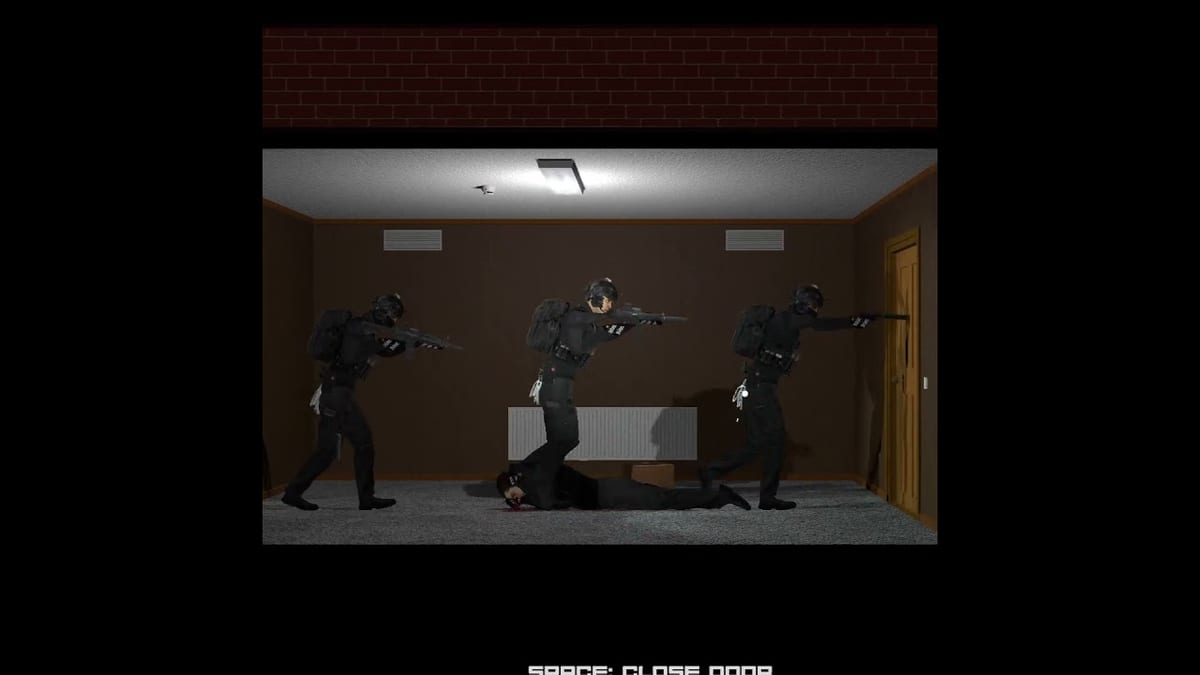
Crisis Response sells a cruel second act: after the muzzle flashes, bodies keep counting down. Developer copy has long framed hurt characters as a clock you work against. Sandbox updates even showcase blood streams under pressure and experimental dismemberment from fragmentation. This page is about playing that reality instead of ignoring it.
The priority flip
In many shooters, you chase the last enemy first. Here, a bleeding teammate can end the run while you hunt a fleeing suspect. Build a habit: glance for wound states the instant a room dips below two active threats. Pair with Bullet Time only if slow motion helps you choose the next medical action — not if it delays care.
Planning for medical before entry
Bring loadouts that reduce unnecessary trauma events. See Loadout. Stage marksman support so the stack takes fewer panicked close-range exchanges — AI Orders. Hostage rooms amplify every mistake; read Hostage Rescue.
Sandbox drills
- Intentionally play a careful room and measure how often you need medical intervention.
- Play an aggressive room and compare downtime.
- Practice disengaging from loot to stabilize.
- Review whether ballistics mistakes from Ballistics caused the wounds.
Emotional design, practical takeaway
The gore is not only spectacle. It is feedback. If your screen fills with wound theater every run, your plan is too loud, too fast, or too imprecise. Improve via Entry Planning and How to Play.
Related links
Mechanics Hub, Sandbox Walkthrough, Controls, and the Demo Checklist Tool for session goals that include a medical-clean run.
Deep dive for Injury and Medical Guide
This section exists to make mechanics/injury-medical.mdx independently useful for searchers who land here first. In Crisis Response by isbeorn, demo knowledge is fragmented across ModDB posts, sandbox builds, and community videos. A durable player habit is to translate every tip into a concrete sandbox experiment you can finish in under fifteen minutes.
For Injury Medical, define success before you launch: one measurable outcome such as a medical-clean clear, a hostage-safe doorway solution, a marksman lane that actually fires, or a verified clean install. If you cannot name the outcome, you are browsing, not practicing. Browse the Links Hub later; practice now.
Scenario rehearsal tied to mechanics
Create three short rehearsals that only test what this page teaches. Rehearsal A is slow and narrated out loud. Rehearsal B is at normal speed with one constraint from Ballistics or Injury and Medical. Rehearsal C is a pressure run where you allow bullet time only once. Write a single sentence after each rehearsal. Keep those sentences in a text file named after your installer so advice stays version-aware while the full release remains TBD.
Decision checklist you can reuse
- Confirm your build identity and whether marksman systems exist.
- Confirm controls are comfortable enough that bindings are not the bottleneck.
- Apply the core advice from Injury and Medical Guide without mixing in unrelated mod changes.
- Abort if medical timers demand it; count aborting as disciplined play.
- Only after two improved vanilla runs should you consider presentation mods.
Common false conclusions to avoid on this route
Players often conclude the demo is random when they actually changed aim elevation, loadout lethality, and entry order in the same attempt. Others conclude a guide is obsolete when they are on an older sandbox package. A third group concludes they need mods when they have not finished a careful How to Play clear. Use this page to reject those false conclusions with evidence from your own rehearsals.
Hand-off to related wiki routes
When Injury and Medical Guide feels clear, jump to the next friction point rather than rereading forever. Download problems go to Download and Install Troubleshooting. Confusion about projectiles goes to Ballistics. Post-fight collapses go to Injury and Medical. Doorway chaos goes to Entry Planning and Hostage Rescue. Overwatch confusion goes to Marksman AI Orders or Manual Control. Setup sequencing goes to the Demo Checklist Tool. Comparative expectations go to Review and vs Ready or Not.
Why depth matters for an unfinished game
TBD release status does not mean advice should be shallow. It means advice should be explicit about uncertainty, version naming, and demo goals. Crisis Response still has a coherent fantasy: least possible loss of life under harsh projectile and physiology rules. Every page on this wiki, including Injury and Medical Guide, should make that fantasy more playable tonight on Windows, not more mysterious.
Additional rehearsal note 1 for mechanics/injury-medical.mdx: change only one variable, keep the same map seed if your sandbox allows, and compare wound events before you change loadout again.
Frequently Asked Questions
Quick answers to the most common questions.
Can I ignore downed enemies to loot?
Not if friendlies are bleeding — physiology is part of the score.
Do grenades make medical worse?
Fragmentation can create catastrophic trauma events; use carefully.
Is there a dedicated medic class?
Think in terms of priorities and tools available in your demo rather than MMO roles.
What page explains the shots that caused the wounds?
Ballistics.